Parkour vs Freerunning
Efficiency versus expression, explained. Parkour and freerunning look alike but have different goals. How Sebastien Foucan's freerunning added flips and style to the art of moving.
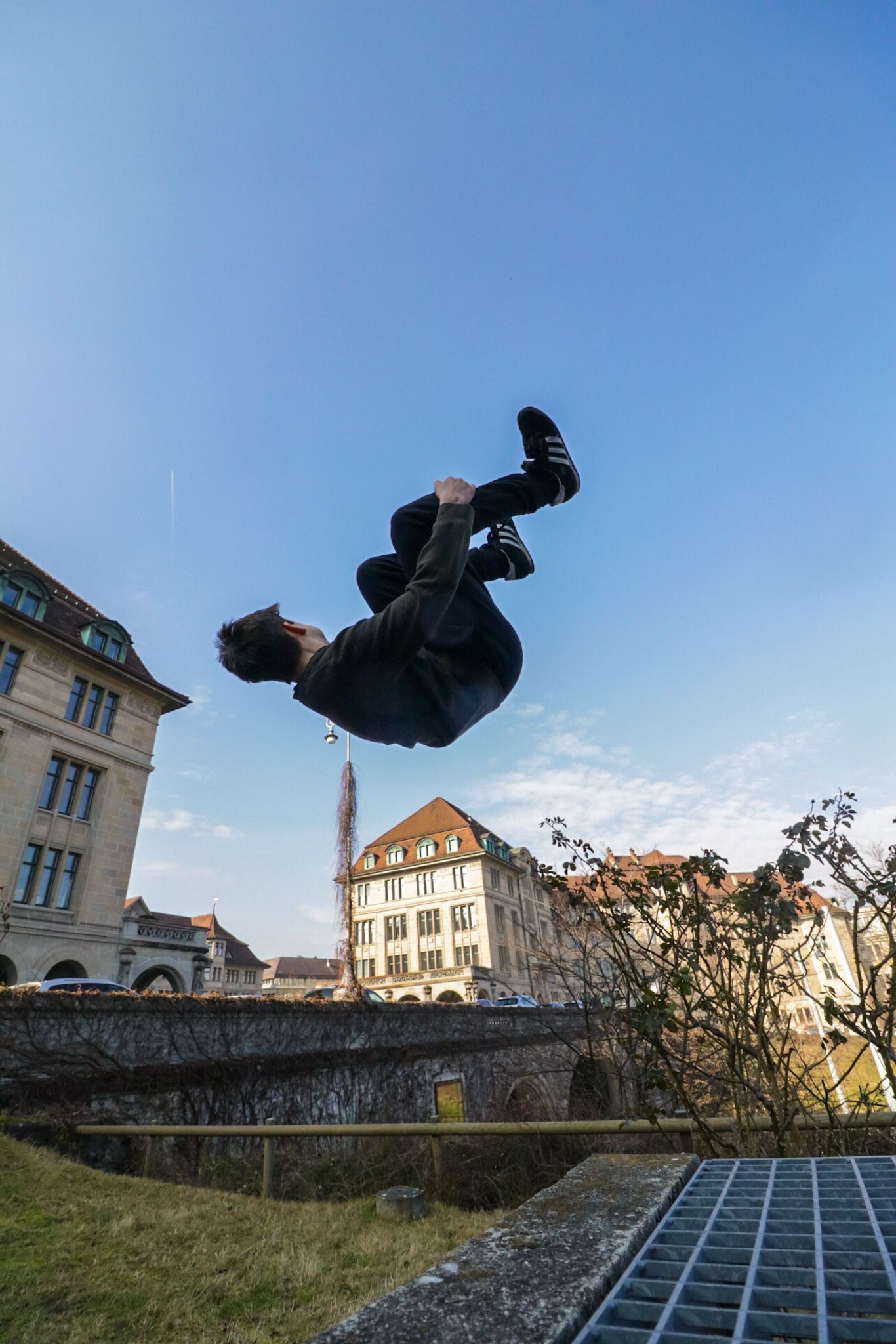
A freerunner's sideflip: FreeclimbZurich, CC BY-SA 4.0
Two names, one family
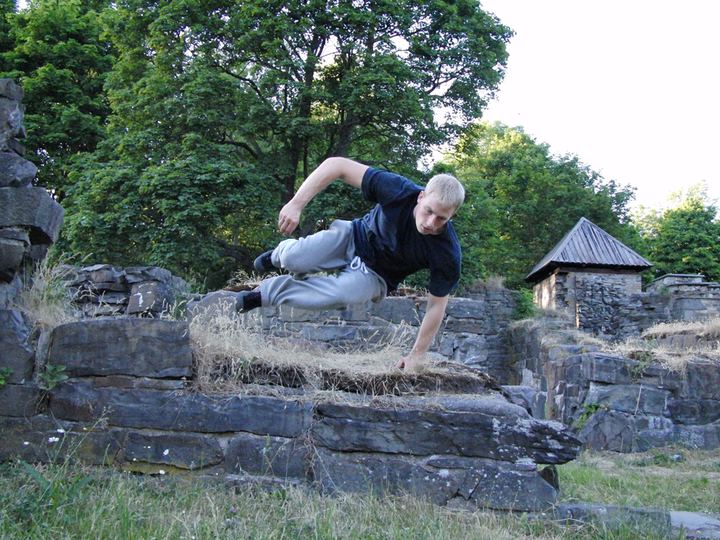
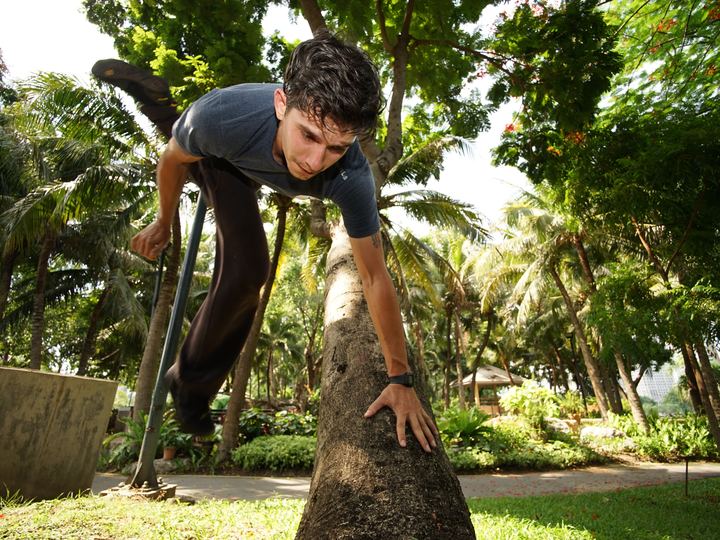
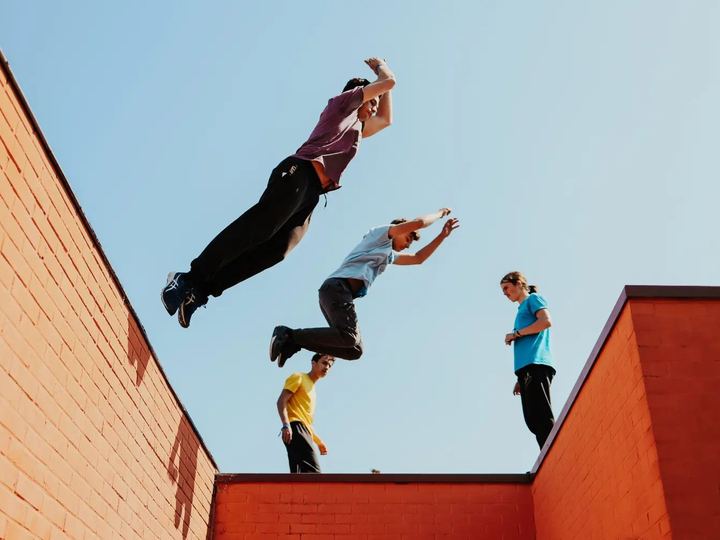
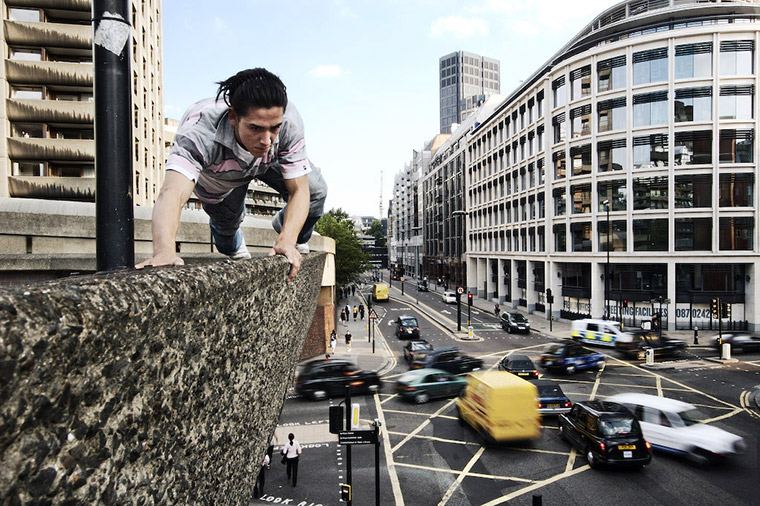
To someone watching a video, parkour and freerunning can look identical. Both involve running, jumping, climbing and vaulting through the environment. The difference lies mostly in intention. Classic parkour asks how to get from one point to another as directly and efficiently as possible. Freerunning asks how to move with personal style and creativity, even if that means a less direct route.
That is why freerunning often includes flips, spins and acrobatic flourishes that would not help anyone reach a destination faster, but that look spectacular to a crowd.
Sebastien Foucan's idea
The word freerunning was introduced by Sebastien Foucan, one of the original Lisses group, in the British documentary Jump London, shown on Channel 4 in 2003. He has described freerunning as his own evolution of parkour, a way of naming a practice that borrows from many movement styles and puts self-development and creativity first.
Jump London and its follow-up, Jump Britain, made freerunning hugely popular in the United Kingdom. In 2006 Foucan reached a worldwide audience in the opening chase of the James Bond film Casino Royale.
How the two blend today
In practice, most modern athletes train both. A freestyle competition run rewards creativity and difficulty, which is very much in the freerunning spirit, while a speed run rewards pure efficiency in the parkour tradition. Many gyms simply teach both under one roof.
The communities still debate the labels, and some traceurs feel strongly that the original philosophy should be kept separate. What everyone agrees on is the importance of strong foundations.
Watch the pros, start with basics
The flips you see in freerunning videos come from athletes with years of gymnastics-style progressions, spotting from coaches and soft landings in training. They are not something to improvise on concrete.
Everything on this page is performed by trained professionals. Please do not try to copy it. If parkour inspires you, start at a proper parkour gym with qualified coaches.
Spotting the difference as a fan
Next time you watch a video, ask yourself what the athlete is trying to do. If every movement serves the goal of getting somewhere quickly and smoothly, you are watching parkour in its classic sense. If the athlete pauses to add a spin or a flip purely for style, you are seeing the freerunning side.
Both take years of coached training, and both are best enjoyed from the audience.
- A freerunner's sideflip: FreeclimbZurich, CC BY-SA 4.0
- A cat balance: Jon Lucas, CC BY-SA 3.0
Text written by Legendary Awesome.